National Make-A-Will Month: Why a Will is One of the Greatest Gifts You Can Leave Your Family
A will doesn’t start with paperwork. It starts with love.

There’s a particular kind of weight that settles in when summer starts winding down. School starts back up, routines shift, and without really planning it, many of us find ourselves thinking ahead — about what’s next, about what we’re preparing for. It’s also National Make-A-Will Month, and that “what comes next” thinking goes a little deeper than usual.
For families who own land, especially land that’s been in the family for generations — Not just August, but anytime is always a good time to ask a question that doesn’t get asked nearly enough: What happens to everything we’ve built when we’re no longer here to protect it?
A will is one of the most powerful answers to that question. And for the families CHP works with across South Carolina and East Texas, having one isn’t just a legal formality—it can be the difference between a family keeping their land and losing it entirely.
National Make-A-Will Month
National Make-A-Will Month was established to address a startling reality: a majority of Americans don’t have a will. That’s not because people don’t care about what happens to their family, it’s usually because the process feels complicated, expensive, or like something that can be put off until later.
August was chosen as a reminder that later doesn’t always come. The end of summer is a natural inflection point, a moment when people are already thinking about preparation and planning, and it’s an invitation to take one of the most important steps a person can take for the people they love.
For landowners and families with generational wealth tied up in property, that step is especially urgent. A will doesn’t just organize your affairs. For many families, it’s what keeps a piece of land and everything that land represents, from slipping away.
Learn more about heirs’ property and estate planning
What Happens When Someone Dies Without a Will
When a person passes away without a will, the law steps in to decide what happens to their property. That process is called dying intestate, and the outcome is rarely what the family would have chosen.
Without a will, the state uses its own rules to determine who inherits what. That often means the property gets divided among every surviving heir — a spouse, children, siblings, and extended family members all at once. There’s no deed transfer, no formal title change. Everyone simply inherits a share of ownership, whether they know it or not, whether they want it or not.
For a piece of land, that can mean dozens of people — some of whom have never met each other, all legally sharing an interest in a single property. No one person has the authority to make decisions about it alone. And just like that, without a single signature, a family’s land has become heirs’ property.
How Heirs’ Property Is Often Created
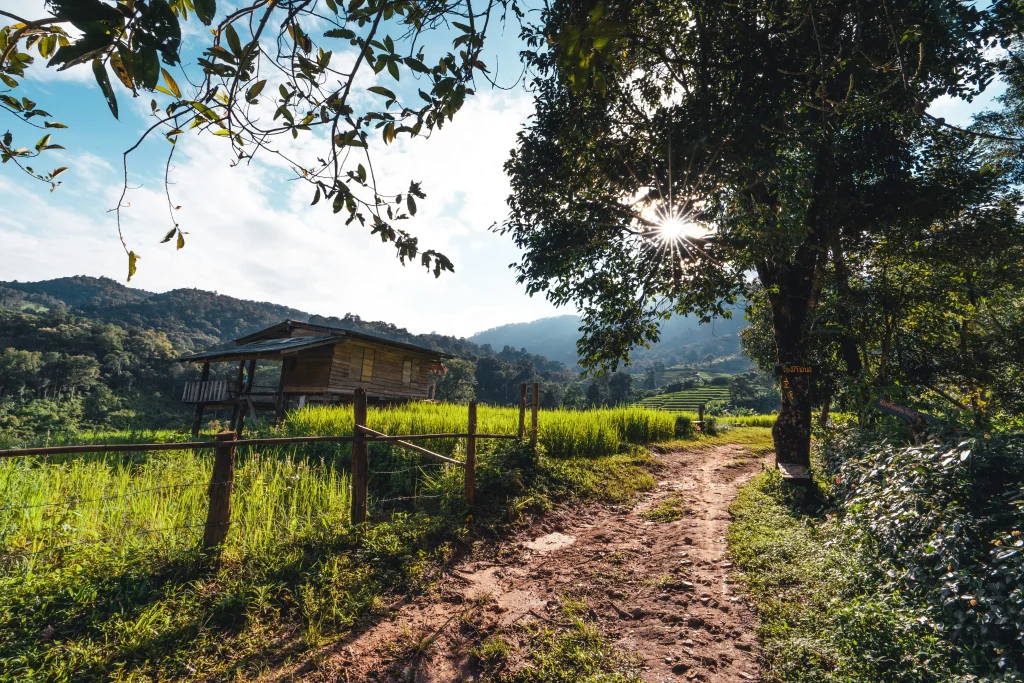
This is the most important thing families need to understand: heirs’ property isn’t usually the result of a mistake or a legal dispute. It most often starts with love and trust. A parent dies believing their children will work it out. A grandparent passes on assuming the family will keep the land together. No one files paperwork because there was nothing to file, the will was never written.
Generation after generation, that assumption gets passed down alongside the land. What started as one person’s property becomes a patchwork of informal ownership shared among ten, twenty, or fifty people scattered across several states. The land stays in the family, but the title never gets cleared.
At that point, the land is vulnerable in ways most families don’t realize. A single heir—even one with a very small share, can force a partition sale, which means the court can order the land sold to settle competing interests. No family vote. No second chance. The land is sold, often far below market value, and a legacy that took generations to build is gone.
This is exactly what CHP has spent more than 20 years working to prevent.
Ready to understand where your family’s land stands? Schedule a consultation with us
What’s Really at Stake for Families

The loss of heirs’ property isn’t just a financial setback. It’s a grief that runs alongside the grief of losing a family member, and for many families, it hits just as hard.
On the financial side, land that could have served as collateral, generated income through forestry or farming, or held its value over decades can be wiped out in a single court proceeding. Families who believed they were inheriting something real find out they never held a clear title at all.
And then there’s everything else. The home place everyone still calls by grandma’s name. The acres where kids learned to fish, where the family always gathered, where your great-grandparents are buried. Land doesn’t just hold financial value, it holds family stories, rituals, and roots. When it’s gone, that piece of the family’s identity goes with it.
For the communities CHP serves — many of them families in the South who faced historic barriers to land ownership — the stakes are even higher. Family land is often the most significant asset a family has, and it’s also one of the most direct paths to building income and generational wealth going forward, through forestry, farming, or leasing. A will doesn’t erase that grief. But it protects the opportunity, so a family’s hardest moment doesn’t also become the moment they lose everything they were building toward..
Simple Steps Families Can Take Today
The good news: you don’t have to have everything figured out to get started, and getting started doesn’t have to be as complicated as most people assume.
Here’s where to begin:
Talk to your family. Before any document is signed, the most important step is a conversation. Who knows the land exists? Who knows what it’s worth? Who understands what’s at stake if no plan is in place? Start with the people already gathered around your table.
Get the documents in order. Gather what you have — the deed if there is one, any prior wills, property tax records, a rough sense of who has an interest. You don’t need all the answers. Just a starting picture.
Make a will. It doesn’t have to be complicated. A basic will that clearly names who inherits the property and who’s responsible for managing the estate can be the single most protective thing a landowner ever does. CHP’s free wills clinics are specifically designed to help families take this step without navigating it alone.
Don’t wait for the right time. There isn’t one. The right time to make a will is before it’s needed, and for many families, they don’t find out it was needed until it’s already too late.
How CHP Helps Families Understand Their Options
CHP’s work is built on one core belief: you shouldn’t have to figure this out alone. Whether a family is just starting to ask questions or is already deep in the complexity of unresolved heirs’ property, CHP meets them where they are.
Through legal services, CHP works with families to resolve title issues, facilitate ownership agreements, and do everything to keep the land in the family’s hands. The goal is always the same: clear the title, protect the land, and position the family for what comes next.
Through education, CHP offers seminars, wills clinics, and community workshops throughout South Carolina and East Texas. These aren’t one-size-fits-all information sessions, they are built around the real situations families face, in plain language that doesn’t require a law degree to understand.
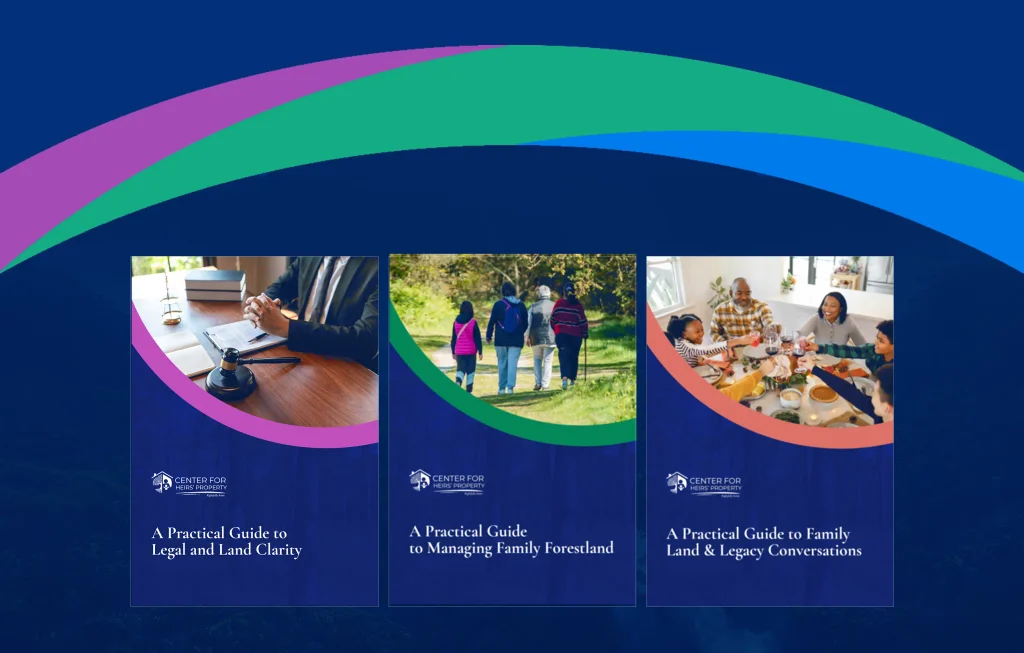
And through resources like the Pathway to Clarity series, CHP gives families the tools to start moving, whether or not they’re ready to walk through the door yet.
The Practical Guide: Legal and Land Clarity is a great place to start. It walks families through the realities of heirs’ property, what a clear title means, and how to begin the process of securing what you own. If your family is sitting with more questions than answers right now, this guide was written for you.
Download the Practical Guide: Legal and Land Clarity
Give Your Family the Gift of Clarity

National Make-A-Will Month is a reminder, not a deadline, not a reason for alarm. It’s an invitation to do something that matters.
A will is one of the most personal, most powerful things you can leave behind. It’s not just about who gets what. It’s about making sure your family doesn’t have to fight, guess, or grieve over your wishes at the worst possible moment. It’s about keeping the land that took generations to acquire from slipping away over paperwork that never got done. It’s about making sure that when the family gathers next year, the home place is still there.
If your family’s land doesn’t have a clear plan in place, this is your reminder to make a start. Make the call. Start the conversation. Take the first step.
CHP is here to support you with what comes next.