
Understanding the Hidden Value of Land, Legacy, and Stewardship
Walk your property one calm morning, feeling the dirt beneath your feet, the shade of your trees, and the quiet power of what your family has built. What lies beneath you is more than simply property; it holds your history, your security, and potential value that grows when it is cared for well.
For generations, many families have only seen their land through sentimental lenses, unaware that each acre has legal, financial, and generational weight. When properly documented, managed, and preserved, your land becomes a well-protected family resource rather than something left to chance. At CHP, we assist heirs and landowners understand a simple truth: your land should support your family’s future, not jeopardize it.
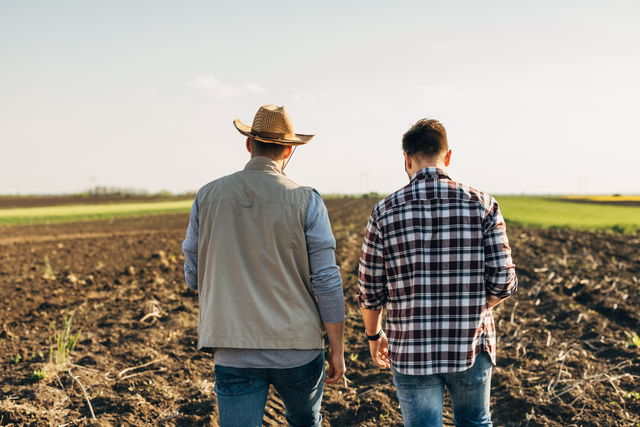
See Beyond the Trees: Understanding Your Land’s Real Worth
Your forest does more than grow trees, it holds potential value when it is managed and maintained well.
A robust root system stabilizes your soil. Every acre filters the water. Every tree stores carbon, promotes biodiversity, and contributes to the long-term health and strength of your land. The greatest threat to your land, however, is not neglect, but unclear ownership and missing records. Without proper paperwork and administration, even the most bountiful land can be put at risk due to disputes, tax issues, or forced sales.
That is why true stewardship begins not in the forest, but on paper with deeds, titles, wills, and management plans that specify who owns what and how it should be cared for.
Documentation: The Legal Foundation of Ownership and Legacy
Your land’s greatest protection lies in one word: documentation.
Think of it as your land’s legal proof of ownership how it speaks for itself in public records.

When deeds are not recorded or wills are outdated, what was once a family treasure can quickly become a source of confusion, conflict, or even loss.
Many families have passed down land informally through generations, often through verbal agreements or handwritten records. Over time, that land frequently becomes heirs’ property, co-owned by many relatives without a clear title. In legal language, this means anyone with a share, even someone you’ve never met can force a sale through a partition action.
The good news? You can prevent this. Start by confirming your ownership with your local deeds office, making sure every name and transfer is recorded. Update your estate plans. Keep deeds, tax receipts, surveys, and management plans in one secure place. When your documents are clear, your family’s rights are not only emotional, but legally protected.
Good Land Management Protects More Than Timber
A well-managed forest is more than a source of timber, it’s a living trust that protects your property, your title, and your legacy.
When managed properly, your woodland strengthens the soil, improves water quality, promotes biodiversity, and increases the long-term strength and health of your land. Proper care also demonstrates responsible ownership.
Neglected land can lose more than beauty. Overgrown or unmarked boundaries invite trespassing and title disputes. Lack of maintenance increases liability risks, harms habitat, and can disqualify families from tax benefits or forestry support programs.
A Forest Management Plan, created with a certified forester, is the foundation of sound land care. It includes confirming boundaries, identifying sustainable harvest practices, erosion control, and keeping yearly records. It is more than best practice, it shows your land is protected, productive, and responsibly managed.
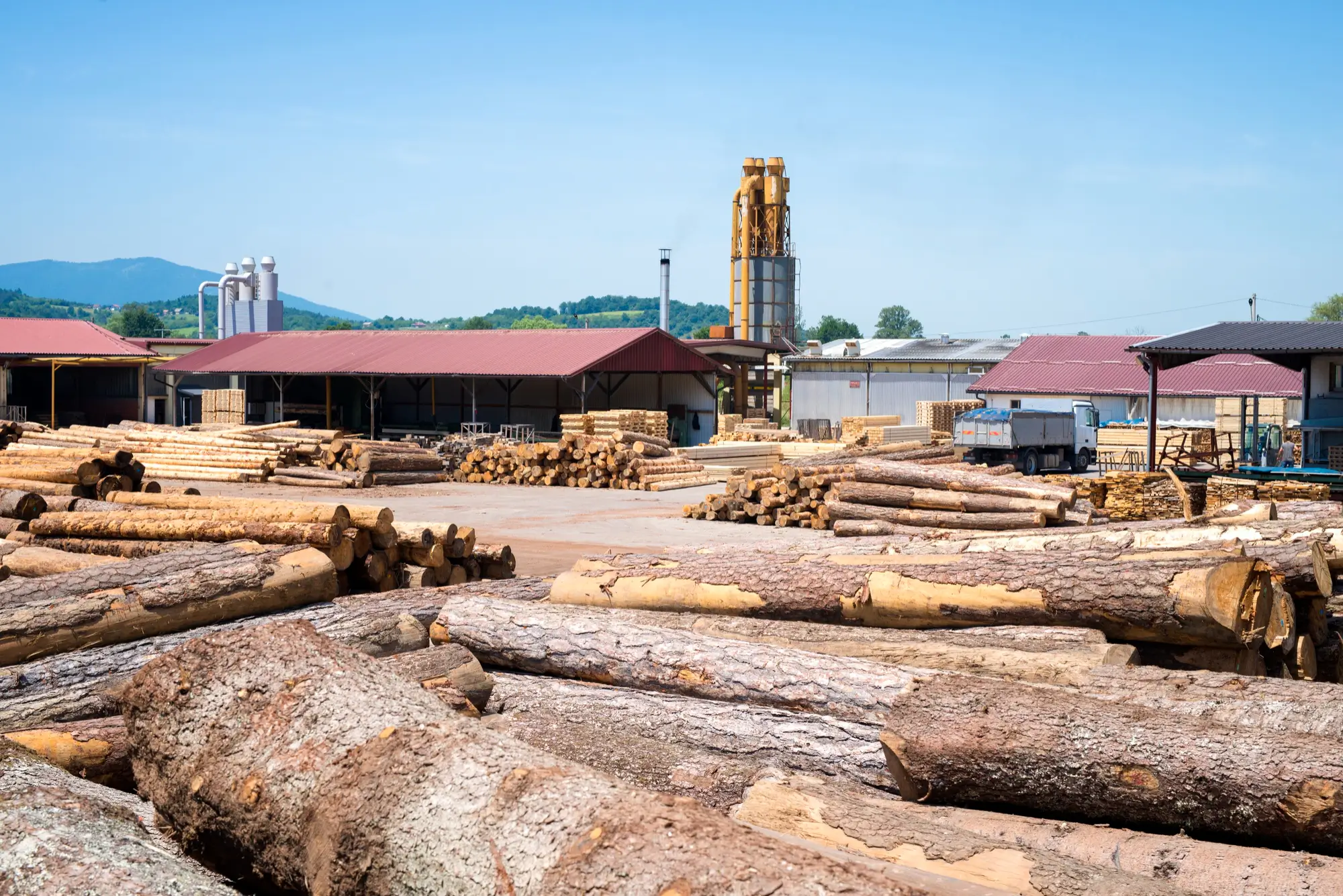
Succession Planning: Keeping Family Land in the Family
Without a clear will, living trust, or deed of succession, family land can fracture over time. What begins as a shared legacy can become a legal burden when ownership rights aren’t documented. This is how heirs’ property forms, not from lack of care, but lack of planning.
Protecting family land requires structure, not just sentiment. Tools like wills, family land trusts, or LLCs can clarify ownership shares, voting rights, and management responsibilities. Regular family meetings and written agreements keep everyone aligned.
Estate planning is the “management plan” for your family’s future, it protects both the land and the relationships rooted in it.
Sustainable Forestry: Building Strength, Not False Expectations
Sustainable forestry is about caring for your land so it stays healthy, productive, and valuable for future generations. When your forest is managed sustainably and in line with state forestry laws and best practices, it becomes a renewable asset that benefits your family while protecting the environment
Sustainable forestry builds resilience, not guaranteed income. Good management creates the possibility of financial return, not a promise.
Why Donors and Partners Play a Vital Role
Every acre tells a story of family, perseverance, and purpose.
Your support helps families protect their ownership, strengthen their forests, and turn responsibility into opportunity.
When you invest in CHP’s mission, you help secure land, restore rights, and keep generations Rightfully Home.
Taking Action: Where to Begin
The first step is clarity, understanding what you own and how it is held. Verify your records. Create a simple management plan. Seek guidance from forestry and legal professionals who can help you protect both the land and your family’s intentions.
CHP supports families through each step; clarifying title, resolving heirs’ property issues, and strengthening ownership so land remains secure, productive, and positioned for future opportunity.

Closing Reflection
When you look across your land, you see more than soil and timber. You see persistence, hope, and purpose. The real question is not what your land is worth today, but whether its legal and financial grounding will protect it tomorrow.
CHP helps families turn their vision into reality; protecting ownership, improving management, and building wealth that lasts. Because your trees carry more than potential income, they carry your legacy.
For Donors
Every tree tells a tale about families, destinies, and the soil that binds them together. Your donation does more than only plant or conserve trees; it also contributes to the transformation of underutilized forestland into a thriving source of opportunity. Supporting sustainable forestry enables landowners to obtain clear title, improve property rights, and manage their estates responsibly using strong environmental and legal standards. Your gift contributes to the preservation of ecosystems, the prevention of land loss, and the security of future riches, transforming conservation into a legacy.
